Should You Install a Water Leak Sensor?
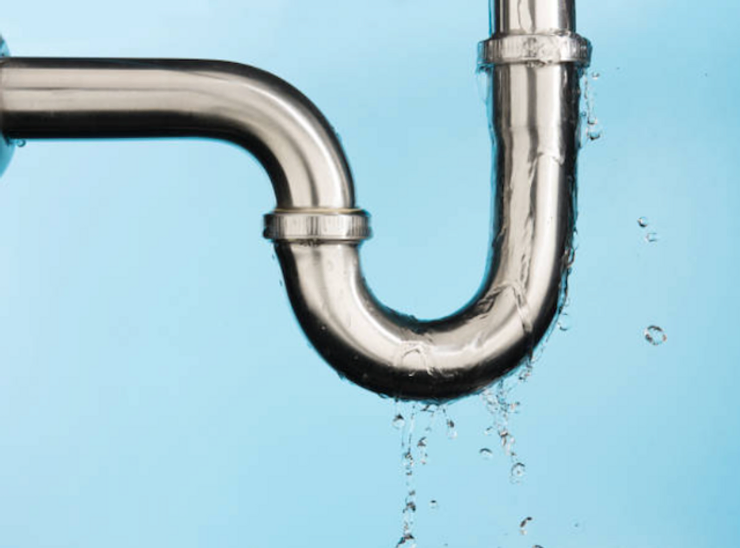
Water leaks can lead to expensive and extensive repairs if you don’t catch them quickly. A ceiling leak could be disastrous to floors below, and a crawl space leak could go on for months or years before you find it.
For these reasons alone, a water leak sensor is a good idea.
Yet another reason to install one is mold. Mold grows best in damp, dark environments. The water and humidity created by a leak gives mold the perfect place to form a new colony. If that area is out of sight, the mold growth could be extensive before you even know it’s there and soon require mold remediation.
So let’s look at what a water leak sensor does and how your home could benefit from one.
What is a Water Leak Sensor?
A water leak sensor functions much like a smoke detector. Most brands are wireless and can be affixed to the wall. These sensors monitor water flow through plumbing using ultrasonic technology or with the use of a turbine device.
Once your water sensor is installed, you can keep a check on pipes throughout your home to ensure that there are no leaks. This peace of mind is invaluable, but the benefits for your health and wallet are even bigger.
Water sensors are easy to install. Here are a few key details about each type.
For ultrasonic water sensors:
- These sensors can be placed on a flat surface or mounted with accompanying fixtures.
- To install, direct the transmitter toward the area you want to monitor.
- The receiver will then alert you to any fluctuations in water levels whenever you check the transmitters.
For turbine driven sensors:
- Most turbine powered sensors connect to your mobile device via Bluetooth and a brand-specific app.
- To install this type of water leak sensor, you will first need to turn off the water to your home.
- Then, drain the water out of all faucets so there is no pressure on the line, leaving the faucets in the “on” position.
- These devices are more complex to install because they require you to cut the water pipe enough to install the device. If you are not comfortable doing this on your own, contract a professional plumber to do it for you.
These devices alert the homeowner to possible leaks in the home. This usually comes in the form of an audible alert, much like a smoke alarm, but you can also find models that are smart home compatible and ones that send alerts via email or text message. More complex water leak sensors can even turn off your water to stop a leak until you can check it.
Obviously, these models range in price to suit any budget. So regardless of how much you can afford to spend on a water leak sensor, there is a reliable one in your price range.
Where to Install a Water Leak Sensor?
A water leak sensor is great to have if you are going on vacation or will be out of town for work, but they are helpful devices to have even when you are at home. Most leaks occur in plumbing that is hidden behind walls, ceilings and floors, which means a leak could cause thousands of dollars’ worth of damage before you find it.
When trying to decide where to place your water leak sensor, think about the places in your home that are most likely to develop leaks. These areas include:
- Washing machine
- Dishwasher
- Hot water heater
- Toilets
- Sinks
Also consider where these appliances and fixtures are located. If it is in a well-traveled area of your home, you’ll probably notice a leak more quickly than if it is an appliance that is in the basement, like a hot water heater or washing machine. These are areas where leaks can go on for some time before you notice them because they are out of sight, out of mind.
Basements, crawl spaces and attics are common areas for unseen leaks. No one wants to go crawling around in a cramped, dark area if they don’t have to, so these are perfect places to install a leak sensor.
There is no recommended number of water leak sensors to install in your home. You can choose as many or as few as you are comfortable with. If you have multiple floors, you may want to install at least one per floor. Otherwise, just put them in the riskiest areas.
Water Leaks and Mold
Once mold is in your home, it can spread easily from one area of your home to another. It’s important to remember that moisture is usually the issue when you have a mold problem, not excess mold. We’ll explain.
Mold lives in the air around us at all times. You can’t fully rid your home of it. You can only hope to keep levels low enough that mold has a hard time finding a suitable environment.
Mold doesn’t have a chance to form colonies unless all the ingredients are present (food, water, and oxygen). Water is the only one of these three you can restrict. As long as the humidity remains low and you don’t let water sit without cleaning it up (like spills and water from the shower), you shouldn’t have to worry about mold.
However, some rooms are more prone to mold, so you have to take special precautions to keep them clean and dry. This often includes the bathroom and kitchen. Leaks, however, can happen anywhere. When there is a water leak, mold spores have all the moisture they need to start forming colonies on virtually any surface.
When you can control the amount of water in an area, you make it much harder for mold to grow there. This is important if someone in your home is allergic to mold or has mold sensitivity. Mold can also be dangerous for people with chronic respiratory issues like COPD and asthma.
Having at least one water leak sensor in your home can seriously decrease the risk of mold developing in your home, making your loved ones sick.