Categories of Mold
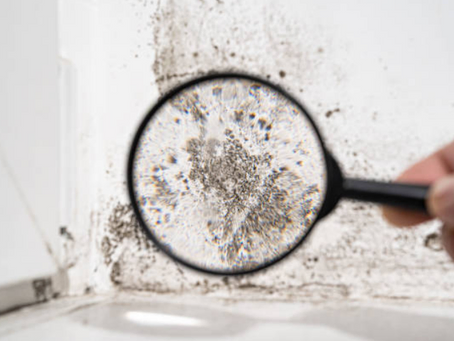
There are over 100,000 varieties of mold. These fungi can range in color from green or yellow to gray and black.
It is well documented that exposure to mold is a health risk. You may have even heard the term “toxic mold.” Let us first calm your fears by assuring you that there is no such thing.
The term derived from the fact that some molds produce mycotoxins.
Mycotoxins are the result of mold spores’ metabolic process – in the case of mold, the process of creating new mold spores. These mycotoxins are microscopic, but they can cause serious health problems.
That being said, some types of mold are more dangerous than others. Let’s break down the three main groups of mold so you can better understand what may be affecting your family’s health.
Three Categories of Mold
It is important to note that all mold varieties can cause allergic reactions. Some people are more sensitive to mold than others, so it’s really just a game of chance when dealing with a household mold problem.
The three types of mold are as follows:
- Allergenic – These molds are the least likely to make humans sick, although those with severe allergies may still react to them.
- Pathogenic – Pathogenic molds are dangerous for people with compromised immune systems, as they can cause infections.
- Toxigenic – Of all the mold species, toxigenic varieties are the ones to watch. They are dangerous for both humans and animals.
We will look at each one in more detail below.
Allergenic
Mold is literally everywhere, so we all breath some in on a daily basis. For the most part, our sinuses are able to filter the spores so they don’t cause allergic reactions.
If you do have a reaction to this group of molds, it will most likely be the classic symptoms of sneezing, runny nose, congestion, coughing, or scratchy throat. People with asthma may experience an asthma attack after breathing in allergenic mold spores.
Examples:
- Alternaria – This group of about 50 mold species is very common outdoors. Colonies of Alternaria will be dark gray.
- Apergillus – This mold commonly grows in hospitals, but fortunately, it does not generally affect people with healthy immune systems.
- Cladosporium – Molds in this genus are found on everything from floors, acrylic paint, wallpaper and wood to carpets and mattresses.
- Penicillium – If the name sounds familiar, it should! This mold variety is used to produce penicillin, the antibiotic. When you see it growing on food, penicillium will appear blue-green.
Pathogenic
Pathogenic molds are more dangerous, because they can affect people who do not have allergies. These molds cause infections rather than (or in addition to) allergic reactions like breathing issues, watery eyes, and coughing.
Categorizing mold gets a little tricky here because some pathogenic molds are also allergenic. One example of this is aspergillus (described above).
Examples:
- Aspergillus – A. fumigatus (a variety of aspergillus) is responsible for many pulmonary infections. Another form of this mold is A. flavus, which can produce mycotoxins – something we’ll discuss more in the next section.
- Cryptococcus neformans – Rarely, people with healthy immune systems can develop a respiratory infection after breathing in this mold. However, immunocompromised individuals are much more susceptible to infections like fungal meningitis.
- Histoplasma capsulatum – Found mainly in the soil, H. capsulatum outbreaks can occur during construction projects. It often leads to histoplasmosis and pneumonia.
Toxigenic
The molds themselves are not toxic, but their byproducts are.
During reproduction, this category of molds produces mycotoxins, chemicals that can produce severe responses in humans and animals. Even a small amount of mycotoxin in your home is dangerous.
Thankfully, just because a toxigenic mold is in a home or office, that doesn’t necessarily mean it is producing mycotoxins. Pure Charlotte can test for mycotoxins in the air.
Examples:
- Stachybotrys chartatum – When someone refers to “black mold,” this is the type they are probably talking about.
- Fusarium – This mold species affects living things like plants, and it thrives in soil. It causes infections and is so dangerous that it has been used in biological warfare.
- Penicillium – Although used to make helpful antibiotics, certain varieties can be very dangerous. P. marneffei, for example, can cause infections that affect the kidneys, liver, spleen, bone marrow, and, of course, the lungs.
Schedule a Mold Inspection
A mold inspection from Pure Charlotte will give you peace of mind if you are worried about a possible mold outbreak in your home.
Pure Charlotte can test your home and determine several things:
- If mold is present
- The severity of your mold problem
- The type of mold that is present
- The best way to remove it
If you are the least bit curious, it really pays to have a professional mold inspection done to rule out the possibility of dangerous mold growing in your home.
In the meantime, here are some things you can do to prevent mold in your home:
Repair leaks
- Lower indoor humidity with dehumidifiers
- Use exhaust fans to remove excess shower steam and cooking vapors